
Panic Attack vs Anxiety Attack: What’s the Difference and How to Cope
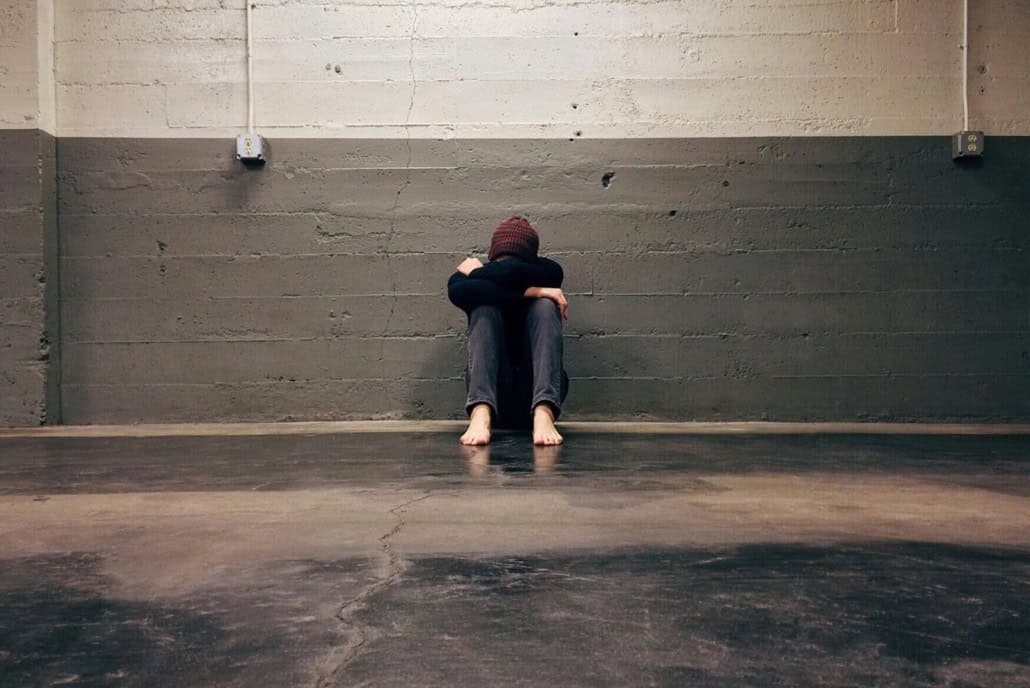
When your heart races, your breath shortens, and fear floods your body, it’s easy to wonder: Was that a panic attack or an anxiety attack? You’re not alone in asking. These terms are often used interchangeably, but they describe distinct experiences with different causes, patterns, and treatment paths. Understanding the difference between anxiety and panic attacks is a step toward better managing mental health and seeking support from a licensed professional.
What’s the Difference, and Why is it Important?
Let’s start with definitions. The term anxiety attack is not a formal clinical diagnosis, but it’s widely used to describe intense episodes of anxiety, often associated with persistent anxiety and stressor-related disorders. Panic attacks, however, are a recognized symptom under the DSM-5 (Diagnostic and Statistical Manual of Mental Disorders) and can be part of panic disorder, which is a condition characterized by unexpected panic attacks and intense fear without an obvious trigger.
Quick Comparison Table of Panic VS Anxiety Attacks
| Feature | Panic Attack | Anxiety Attack |
| Onset | Sudden, often without warning | Gradual build-up |
| Duration | Peaks within 10 minutes, subsides in 30 | Can last for hours or days |
| Symptoms | Intense physical symptoms (choking, chest pain) | Worry, restlessness, muscle tension |
| Triggers | Often unknown | Usually linked to stress or fear |
| Diagnosis | Recognized in DSM-5 | Not clinically defined |
Key Differences Between Panic and Anxiety Attacks
Panic attacks tend to appear abruptly, often out of the blue. Anxiety attacks typically escalate slowly in response to a stressor or ongoing worry. Panic attack symptoms include chest pain, shortness of breath, racing heartbeat, dizziness, and a sense of detachment. Anxiety attack symptoms, on the other hand, may involve excessive worry, tension, irritability, and sleep disturbances.
Panic attacks are short-lived but very intense, while anxiety attacks can be more prolonged, especially for individuals with generalized anxiety disorder or other mental health conditions. Anxiety is more commonly triggered by everyday stressors, while panic can feel like it strikes from nowhere.
Shared Symptoms: Why the Confusion?
It’s easy to see why these two get confused. Both panic and anxiety attacks can cause rapid heartbeat, sweating or chills, nausea, shortness of breath, and a sense of losing control or being overwhelmed by fear. These overlapping mental symptoms and physical responses make it difficult for many to distinguish between the two. Consulting with a mental health professional for a psychological evaluation or physical examination can help clarify what you’re experiencing.
What Causes Panic or Anxiety Attacks?
While panic and anxiety attacks share overlapping symptoms, the underlying causes can differ. Understanding what triggers these intense episodes can help individuals and clinicians identify patterns, manage symptoms, and find effective treatment approaches.
Causes of Panic Attacks
- Genetics or family history of psychiatric disorders
- Trauma or other significant life stress
- Panic disorder or other anxiety-related conditions
- Hypersensitivity to bodily sensations
- Neurochemical imbalances involving serotonin norepinephrine reuptake inhibitors
Causes of Anxiety Attacks
- Chronic stress and high anxiety causes like relationship conflict or financial worry
- Generalized anxiety disorder or social anxiety
- Perfectionism and negative thought patterns
- Past traumatic events that remain unresolved
If you experience panic attacks suddenly without warning, they may be linked to panic disorder. But if your symptoms slowly intensify over time, they may be related to persistent anxiety or generalized anxiety disorder.
When Should You Seek Help?
You don’t have to suffer in silence. Consider seeking support if you’ve started avoiding places or situations due to fear, or if anxiety and panic attacks are interfering with your sleep, relationships, or daily responsibilities. These could be signs of more serious mental health conditions.
Sometimes, people turn to substances to manage anxiety or panic, or they experience ongoing symptoms without answers. Whether it’s physical symptoms like heart palpitations and difficulty breathing or emotional strain, please know: you are not alone. Early intervention can reduce symptoms and support long-term healing.
How Therapy Helps with Panic and Anxiety Attacks
At KG Counseling, we use a personalized, trauma-informed approach rooted in evidence-based care to treat anxiety and panic. Here’s how therapy can help:
Cognitive Behavioural Therapy (CBT)
CBT is a proven treatment for panic disorder and anxiety disorders. It helps clients identify triggers, reframe anxious thoughts, and develop tools to manage anxiety effectively.
Exposure Therapy
This helps those who experience panic attacks by gradually introducing feared sensations or situations in a safe, controlled environment, allowing the brain to reduce its alarm response.
Mindfulness and Acceptance Techniques
Relaxation techniques such as practicing mindfulness, deep breathing, and grounding exercises support clients in staying calm and focused during anxious moments. These strategies also help clients develop emotional resilience.
Somatic and Body-Based Approaches
Some symptoms live in the body, like tightness in the chest or rapid heartbeat. Breathwork and grounding help people tune in and gently release stored tension.
Talking Therapies and Integrated Support
At KG Counseling, we combine traditional talk therapy with holistic interventions tailored to your unique experience. Whether you’re dealing with anxiety and panic attacks or other mental health conditions, our approach honors your whole self.
Coping in the Moment: What to Do During an Episode
If you feel an anxiety or panic attack coming on:
- Ground yourself: Use the 5-4-3-2-1 method to anchor yourself in the present.
- Breathe slowly: Try deep breathing. Inhale for 4, hold for 4, exhale for 6.
- Reframe: Remind yourself: This is anxiety. It will pass. I am safe.
- Move gently: Stretch or walk to release adrenaline and settle the body.
These self-help strategies are simple but powerful tools to reduce symptoms. You may also benefit from keeping calming objects nearby or journaling for a few minutes to express your thoughts.
Preventing Future Episodes: Long-Term Support
Caring for yourself gently and consistently can go a long way in helping you manage anxiety and panic. Begin with something simple, like your sleep. Try to go to bed and wake up at the same time each day, and make your bedroom a place that feels soft, warm, and calming, like a nest that welcomes rest. Movement, even just stretching your arms in the morning or walking around the block, can help your body shake off tension it might be holding onto.
What you eat and drink matters too, sweet one. Sometimes, reducing things like caffeine, alcohol, and sugar can have a quiet but powerful effect on how your body and mind feel. Think of it like feeding yourself kindness. And if your mind feels busy or restless, gentle practices like jotting down a few thoughts in a journal or doing a short breathing exercise before bed can give your nervous system a moment to rest.
And please don’t forget about the strength that comes from connection. Whether you talk to a trusted friend, join a support group, or simply let someone know how you’re feeling, you are not a burden, and you don’t have to carry it all alone.
Remember, the goal isn’t to get rid of severe anxiety forever. It’s about learning how to listen to what your body is telling you, discovering what helps you feel safe, and building a little toolkit of care that you can reach for when you need it. You deserve peace, you deserve support, and you deserve to feel whole.
Explore our library of therapy resources to find practical tools, grounding exercises, and supportive readings that can help you continue building your own path toward calm and healing.

Find Relief with KG Counseling
Whether you’re dealing with anxiety and panic, panic disorder, or simply navigating overwhelming stress, know that healing is possible. When you work with KG Counseling, we’re dedicated to helping you identify triggers, reduce symptoms, and feel safe again in your body.
Our care is warm, collaborative, and built to meet you where you are. If you’re experiencing symptoms that feel scary or unpredictable, let us help you understand them and take steps toward lasting peace.
You’re not alone. You never have to go through this without support. Contact KG Counseling today and let’s take the next step together.
FAQs: Panic Attacks vs Anxiety Attacks
Q: What is worse: a panic attack or an anxiety attack?
Neither is worse, but panic episodes often feel more intense and come with more physical symptoms, while anxiety attacks can be more persistent and emotionally draining. Whether you’re experiencing anxiety or panic attacks, it’s never wrong to seek help.
Q: Can anxiety turn into a panic attack?
Yes. For some people, persistent anxiety can intensify into a full panic episode, especially if they begin to fear the anxiety symptoms themselves.
Q: Do I need medication?
Not necessarily. Many people respond well to therapy, especially cognitive behavioral therapy. However, some may find relief with medications like SSRIs or serotonin norepinephrine reuptake inhibitors, under the care of a doctor.
Q: How do I know if it’s a panic disorder?
If you experience panic attacks frequently, and they begin to change how you live your life, speak with a mental health professional. A thorough psychological evaluation, medical history, and sometimes a physical examination can help clarify what’s going on.
Q: Can anxiety lead to panic attacks, or vice versa?
Yes, anxiety and panic attacks are closely linked, and one can influence the other. For some people, chronic anxiety builds over time and may eventually trigger a panic attack when stress levels peak. Others may begin with panic attacks and then develop anticipatory anxiety, fear of having another episode, which can lead to more generalized anxiety over time. Both conditions are treatable, and understanding their connection is an important step toward healing.
Q: When should I seek professional help for panic or anxiety attacks?
If panic or anxiety attacks are happening frequently, interfering with your daily life, or causing you to avoid people, places, or responsibilities, you don’t have to suffer alone. Seeking help is especially important if you feel overwhelmed, if physical symptoms are confusing or frightening, or if you’re struggling to cope on your own. At KG Counseling, we provide a safe, supportive space to explore what’s driving your anxiety and offer tools to help you regain control and confidence.


